Common meditation myths it's time to retire
"You have to have a totally blank mind." Absolutely not. No other myth has scared away more new meditators. 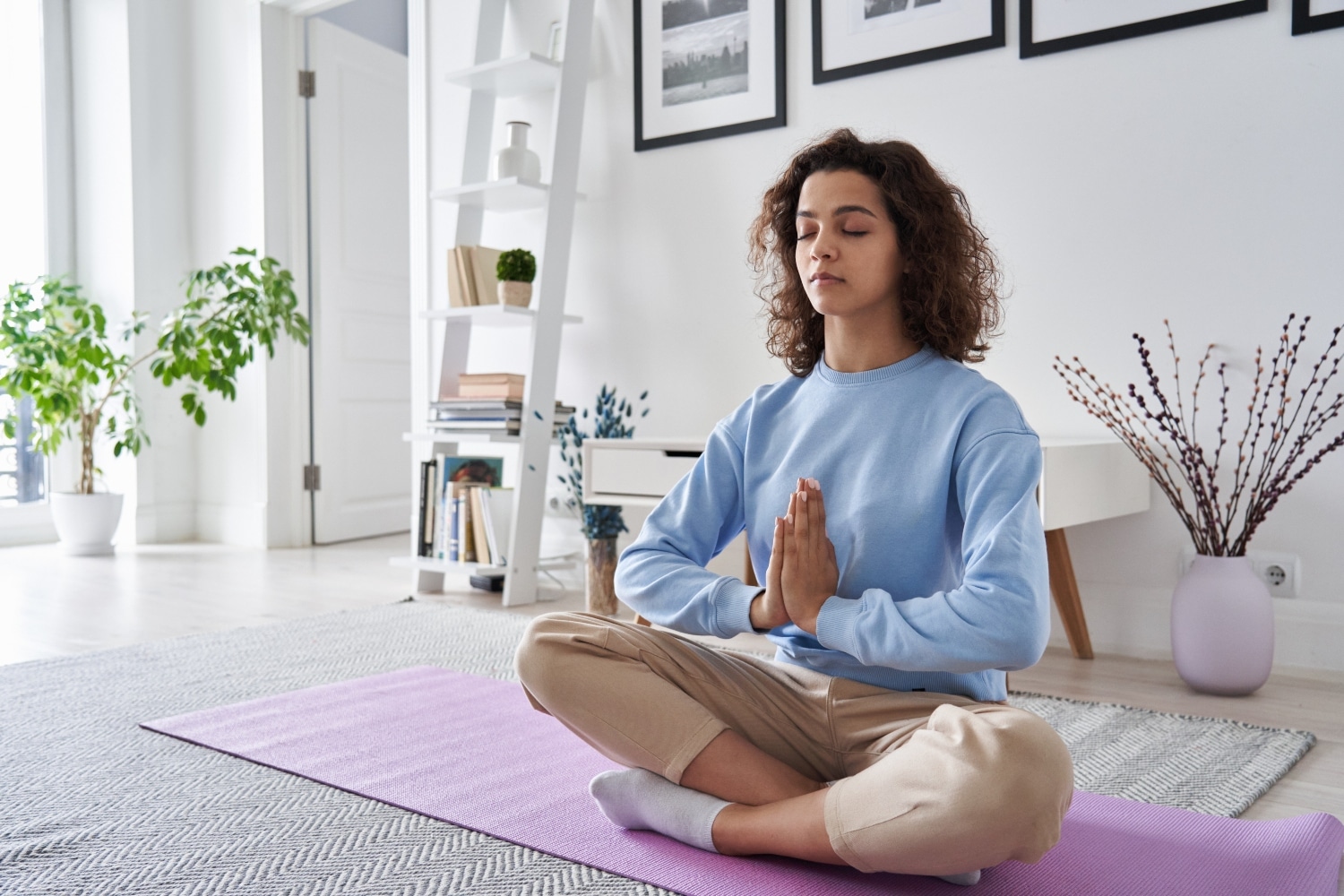 Picture this: you sit down to meditate, and within seconds your head is full of thoughts about dinner, an old fight, and something cringeworthy you said years ago. Naturally, you assume you're failing at it. Except you're not broken at all. Brains make thoughts; that's what they do. The goal of meditation isn't to stop the thoughts from coming; it's to watch them pass without chasing after each one. Even monks with decades of meditation experience still have minds that wander – the difference is they've learned not to fight the intrusive thought, just notice it. "Meditation is a religious practice." It's true that meditation has roots in Buddhism – yes, but it also shows up in Christianity, Judaism, Islam, and plenty of entirely secular wellness routines. Google provides meditation rooms as does… the NFL? The robes and incense are optional extras, not requirements — though a comfortable chair and ten spare minutes definitely help. "Meditation takes too much time." Five minutes is enough. So does three minutes. Research suggests that just a few short sessions a day, kept up over several weeks, can measurably lower stress levels for some people. Nobody wants two meditate like a jedi hours in a cave to meditate. Begin with the tiniest amount if that's all you can manage – you're free to work your way up later, or simply keep it at five minutes - five minutes a day is obviously better than zero minutes. "Meditation fixes everything right away." Of all the myths, this one does the most damage; meditation should make me calm from the first day – so that I try meditation today – I don't feel calm – so I quit! Meditation is like going to a gym - it does not result in instant benefits you must persist with it. "Meditation is only for the calm or passive." In fact meditation works the best for restless people and for sceptics. "Meditation only works one specific way." Whether it is breath-centred meditation, body scanning meditation, walking meditation or loving-kindness – take whatever works and ditch whatever does not work. Rigid rules about "the right way" do more damage to meditation habits than anything else.