Meditation myths that should have been buried a long time ago
"Your mind has to be completely empty." That's just wrong. This myth has thrown more first-timers off meditation than any other. 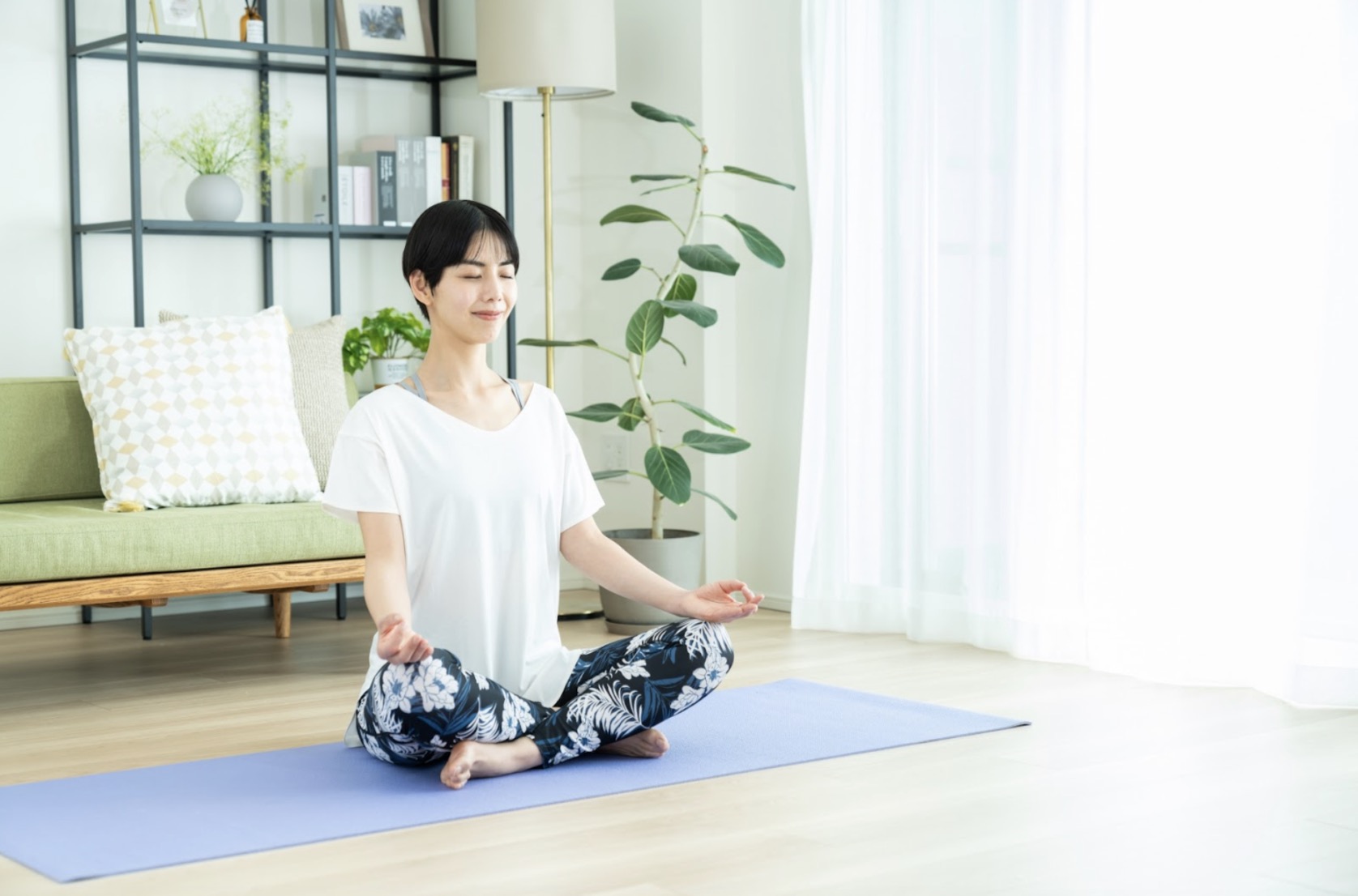 You sit down, try to meditate, and suddenly you're flooded with thoughts about dinner, an old argument, and that embarrassing thing you said back in 2019 — so you decide you must be doing it wrong. But you're not. Producing thoughts is simply what brains do. Meditation isn't about switching off that thought-factory — it's about watching the conveyor belt go by without jumping on every box that rolls past. Even Buddhist monks who have been meditating for years have wandering minds – what changed is how they respond to that uninvited visitor. "Meditation is religious." Meditation is part of Buddhism – yes, and is also found in Christianity, Judaism, Islam, and various completely secularised wellness programs. Even Google offers meditation spaces, and believe it or not, so does the NFL. The robes and incense are optional extras, i meditated on the fool and the juggler not requirements — though a comfortable chair and ten spare minutes definitely help. "I don't have time to meditate." Five minutes count. Three minutes works too. Research suggests that just a few short sessions a day, kept up over several weeks, can measurably lower stress levels for some people. You don't need to disappear into a cave for hours on end. Start small if you have to – you're free to work your way up later, or simply keep it at five minutes - five minutes a day is obviously better than zero minutes. "Meditation works instantly." This might be the single most damaging myth out there; people expect instant calm, try one session, feel nothing special, and quit on the spot. Meditation is like going to a gym - it does not result in instant benefits you must persist with it. "Meditation is just for laid-back types." Ironically, the fidgety and the skeptical often benefit from it the most. "There's only one way to meditate." Breath-focused meditation, body scans, walking meditation, loving-kindness practice — try them all, keep what clicks, and drop what doesn't. It's those strict rule-making that does most harm to meditation habits.