Meditation myths that should have been buried a long time ago
"Your mind has to be completely empty." Absolutely not. No other myth has scared away more new meditators. 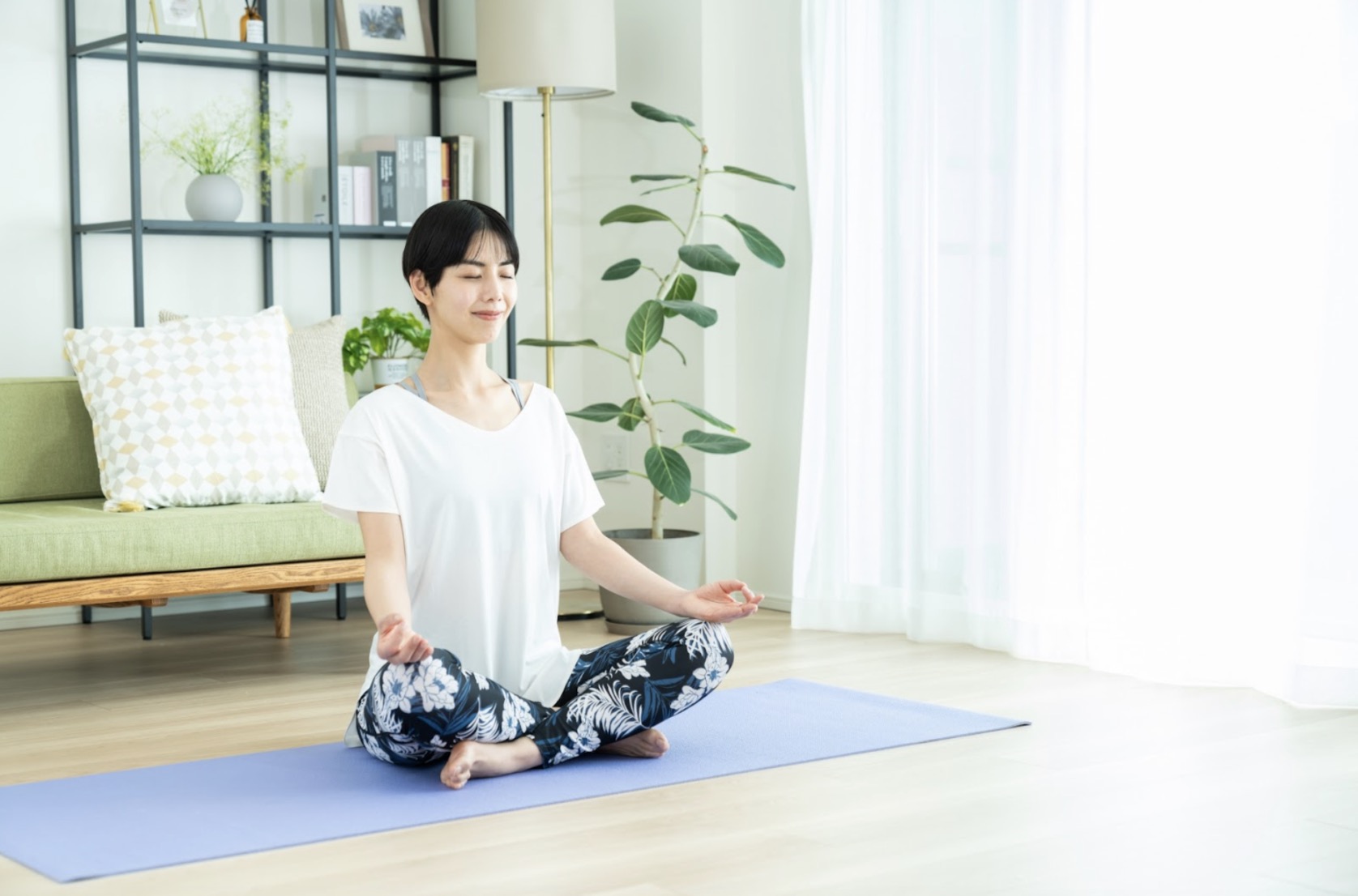 Picture this: you sit down to meditate, and within seconds your head is full of thoughts about dinner, an old fight, and something cringeworthy you said years ago. Naturally, you assume you're failing at it. But you're not. Thinking is the brain's default job. And meditation is not about shutting that factory down, it's about standing watching the belt move and not hopping onto every box as it passes. Even long-time Buddhist practitioners still catch their minds drifting – the difference is they've learned not to fight the intrusive thought, just notice it. "Meditation is religious." Meditation is part of Buddhism – yes, but it also shows up in Christianity, Judaism, Islam, and plenty of entirely secular wellness routines. Google provides meditation rooms as does… the NFL? The robes and the incense have nothing to do with the practice, themindfulcounselor although it is advisable to practice in a comfy chair, ideally when you've got ten mins to spare. "Meditation takes too much time." Even five minutes makes a difference. So does three minutes. I know people for whom only an extremely small amount of research - a few short sessions a day can over weeks have an effect on stress levels for some. You don't need to disappear into a cave for hours on end. Begin with the tiniest amount if that's all you can manage – you can always move on to bigger and better things or you can stick with five minutes - five minutes a day is obviously better than zero minutes. "Meditation fixes everything right away." This is the most harmful myth of them all; the logic goes: meditation is supposed to calm me down immediately, I try it once, I don't feel calm, so I give up! Meditation works more like going to the gym — the benefits build with consistency, not overnight. "Meditation is just for laid-back types." Ironically, the fidgety and the skeptical often benefit from it the most. "There's only one way to meditate." From breath awareness to body scans to walking meditation to loving-kindness, the method that sticks is the one worth keeping. It's those strict rule-making that does most harm to meditation habits.